Get Rubber Roof Installation in Louisville, OH
Local contractors in Louisville, OH, can install rubber roofs to repair leaks, improve durability, and handle projects like flat roofs on commercial buildings or home extensions.
Rubber roof installation services are an important consideration for property owners in Louisville, OH seeking durable and reliable roofing solutions. Whether planning a new roof or replacing an existing one, understanding the options available can help ensure a long-lasting and effective coverage for commercial or residential buildings. Exploring local contractors who specialize in rubber roofing can provide valuable insights into the materials and techniques best suited to withstand the weather conditions typical of the area.
Property owners often explore rubber roofing for its resilience, low maintenance needs, and versatility in various building types. Comparing different local service providers allows for informed decision-making when selecting a contractor capable of delivering quality workmanship. Keeping informed about available options and planning projects carefully can help ensure the chosen solution aligns with the specific needs of the property.
- Commercial Rubber Roof Installation - needed when a business or industrial facility in Louisville, OH requires a durable, waterproof roofing solution.
- Residential Rubber Roof Replacement - appropriate for homeowners in neighborhoods around Louisville seeking a long-lasting roof upgrade.
- Flat Roof Rubber Coating - suitable for property owners with flat rooftops in nearby areas looking to extend roof life and improve weather resistance.
- Emergency Rubber Roof Repairs - necessary when storm damage or leaks occur on residential or commercial roofs in Louisville and surrounding communities.
- New Construction Rubber Roofing - essential for builders and developers constructing new commercial or residential buildings in Louisville, OH.
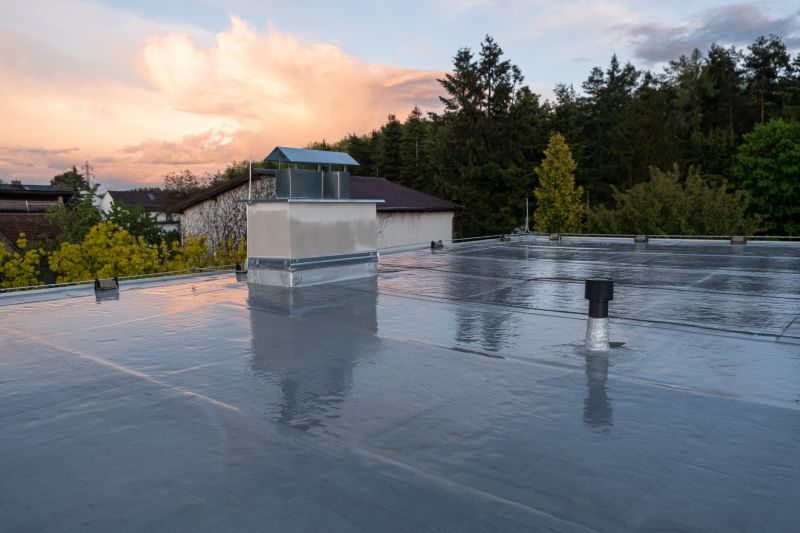
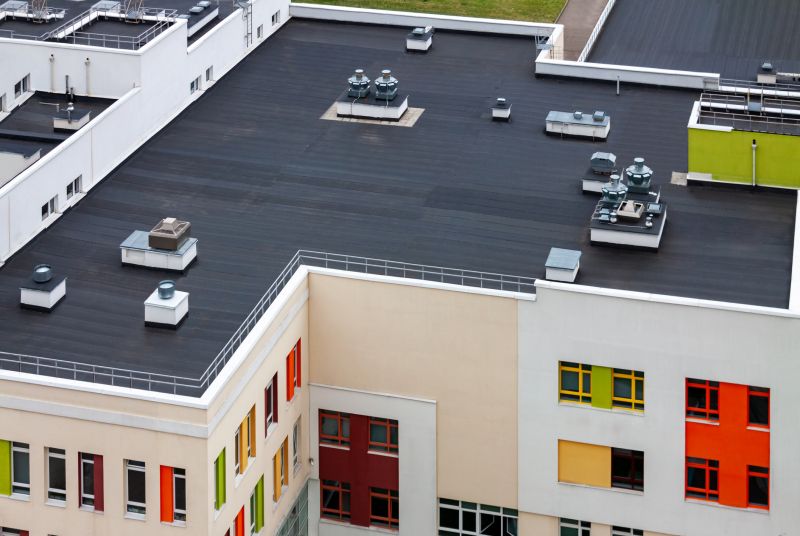
Rubber roof installation services involve the process of fitting a flexible, durable membrane made from synthetic rubber material onto a building’s roof. This type of roofing is designed to provide a reliable barrier against weather elements, helping to keep the interior of a property protected from water leaks, drafts, and other common roofing issues. The installation process typically includes preparing the existing roof surface, measuring and cutting the rubber membrane to fit the roof’s dimensions, and securely attaching it to ensure a seamless, watertight seal. Skilled contractors focus on creating a long-lasting roof that can withstand the challenges posed by seasonal changes and everyday wear and tear.
Rubber roofs are especially effective at solving common roofing problems such as leaks, cracks, and ponding water. Over time, traditional roofing materials can develop weaknesses due to age, weather exposure, or poor installation. Rubber roofing provides a resilient solution that is both flexible and resistant to cracking, which helps prevent water infiltration and structural damage. Additionally, rubber roofs are often easier to repair than other types, making them a practical choice for property owners looking to address existing issues or prevent future problems. Service providers can evaluate a property’s specific needs and recommend the best approach to ensure a durable, weather-resistant roof.
This roofing service is frequently used on a variety of property types, including residential homes, commercial buildings, and small industrial structures. Homeowners in Louisville, OH, and nearby areas often choose rubber roofing for flat or low-slope roofs, which are common in garages, sheds, and additions. Commercial property owners also prefer rubber roofing because of its durability and ease of maintenance, especially on buildings with large, flat roof surfaces. Rubber roofs can be adapted to different building sizes and styles, making them a versatile option for those seeking a reliable, long-term roofing solution.
When considering rubber roof installation, property owners should be aware of signs that indicate a replacement might be necessary. These include persistent leaks, visible cracks or blisters, or areas where the roof surface appears worn or damaged. A professional assessment can help determine whether a rubber roof is suitable for the property and how to best address any existing issues. By working with experienced local contractors, property owners can ensure the installation process is handled properly, resulting in a roof that offers dependable protection and enhances the overall integrity of the building.
The overview below groups typical Rubber Roof Installation projects into broad ranges so you can see how smaller, mid-sized, and larger jobs often compare in Louisville, OH.
In many markets, a large share of routine jobs stays in the lower and middle ranges, while only a smaller percentage of projects moves into the highest bands when the work is more complex or site conditions are harder than average.
Smaller Repairs - Typical costs for minor rubber roof repairs in Louisville, OH range from $250 to $600. Many routine patching or sealing jobs fall within this range, depending on the extent of the damage and roof size. Fewer projects reach the higher end of this spectrum.
Partial Roof Replacement - Replacing a section of a rubber roof generally costs between $1,200 and $3,500. This price range covers mid-sized areas and more straightforward installations, which are common for local projects. Larger or more complex partial replacements can push costs higher.
Full Roof Replacement - Complete rubber roof installations in Louisville typically fall between $5,000 and $12,000. Many full replacements are within this range, but larger or more intricate roofs can exceed $15,000 depending on materials and access issues.
Complex or Large-Scale Projects - Extensive or highly customized rubber roof work can range from $15,000 to $25,000 or more. These projects are less common but may involve multiple layers, complex design features, or challenging access conditions, increasing overall costs.
Actual totals will depend on details like access to the work area, the scope of the project, and the materials selected, so use these as general starting points rather than exact figures.
Flat Roof Replacement - local contractors experienced in flat roof replacement often utilize similar planning and materials as rubber roof installations to ensure durability and waterproofing.
EPDM Roofing Projects - projects involving ethylene propylene diene monomer (EPDM) roofing share skills in membrane installation, making them related to rubber roof services.
Commercial Roofing Repairs - repairing commercial roofs requires similar tools and techniques used in rubber roofing, especially for waterproofing and seamless membrane applications.
Roof Coating Applications - applying protective roof coatings involves surface preparation and membrane techniques comparable to rubber roof installation processes.
Garage Roof Overlays - installing overlays on garage roofs involves planning and materials that align with those used in rubber roofing projects for added protection.
Waterproofing Systems - waterproofing projects for various structures require similar skills in membrane handling and surface sealing as rubber roof installations.
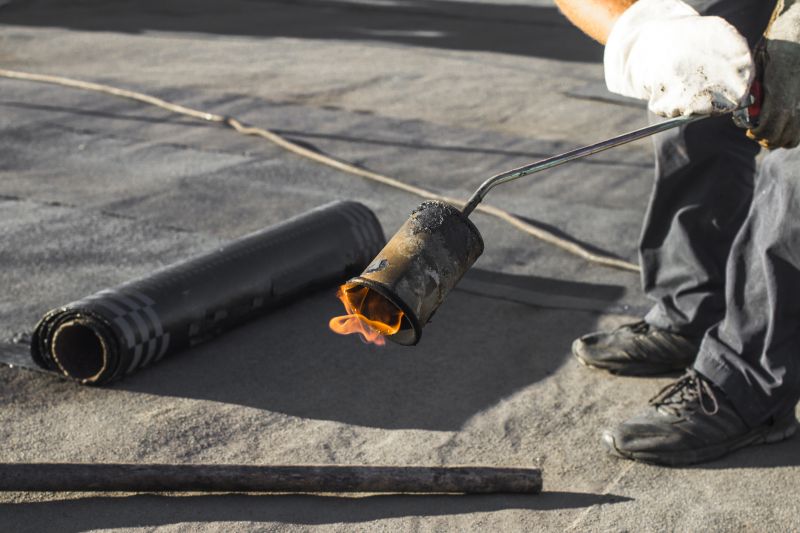
When comparing contractors for rubber roof installation, it’s important to consider their experience with similar projects in the Louisville, OH area. Homeowners should inquire about how many rubber roofing jobs they have completed and request examples of past work comparable to their own home's needs. A contractor with a proven track record handling projects like yours can offer insights into potential challenges and solutions, helping to ensure a smoother installation process.
Clear written expectations are essential for a successful roofing project. Homeowners should seek service providers who can provide detailed proposals outlining the scope of work, materials to be used, and the steps involved in the installation. Having these details in writing helps prevent misunderstandings and ensures everyone is aligned on what the project entails. It’s also beneficial to verify that the contractor’s communication style matches your preferences, making it easier to stay informed and address any questions or concerns throughout the process.
Reputable references and strong communication skills are key indicators of a reliable contractor. Homeowners are encouraged to ask for references from previous clients who had similar work done and to follow up with those references about their experience. Additionally, a contractor who responds promptly and clearly to inquiries demonstrates professionalism and respect for the homeowner’s time. Remember, the site introduces homeowners to local service providers who are well-equipped to handle rubber roof installations, but it does not perform the work itself. Connecting with experienced, transparent, and communicative contractors can help ensure the project is completed to satisfaction.
Property owners in Louisville, OH use Rubber Roof Installation services for practical projects around their homes and businesses. This guide focuses on everyday jobs and straightforward project options.
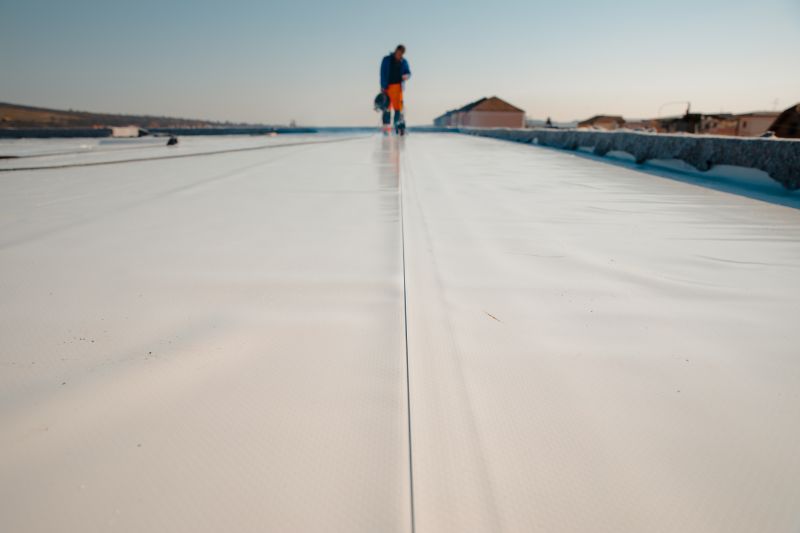
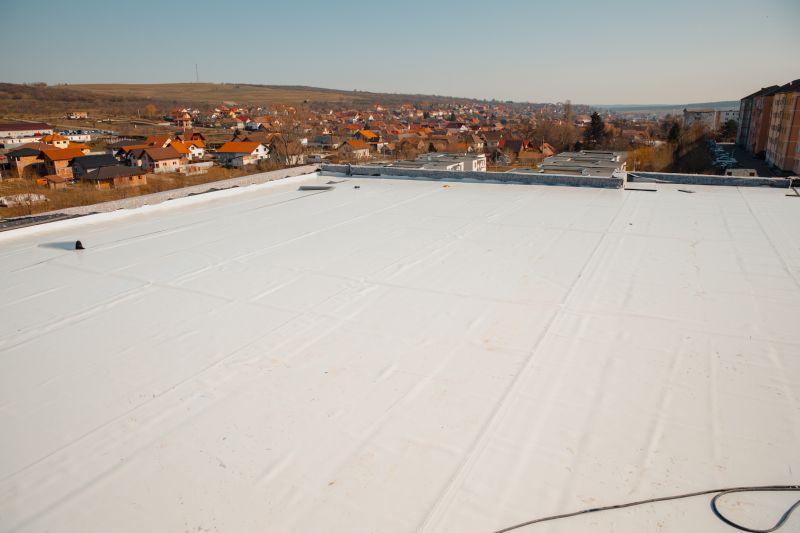
Property owners in Louisville, OH may seek rubber roof installation services when their existing roofing material shows signs of wear, leaks, or damage that compromise the integrity of the building. In cases where a roof has experienced years of exposure to the elements, or if repairs become frequent and costly, many look for durable, long-lasting solutions that can provide reliable protection. Local contractors who specialize in rubber roofing can help evaluate the condition of a roof and recommend a suitable installation that enhances the property's safety and functionality.
Additionally, property owners might consider rubber roof installation when planning a renovation or upgrade to improve energy efficiency and reduce maintenance needs. Businesses and homeowners in Louisville often turn to experienced service providers to handle the installation of weather-resistant roofing options that can withstand seasonal changes and harsh weather conditions common in the area. Connecting with local contractors ensures access to knowledgeable professionals who can deliver quality work tailored to the specific requirements of each property.
What are the benefits of installing a rubber roof? Rubber roofs are known for their durability, flexibility, and resistance to weather conditions, making them a popular choice for many property owners in Louisville, OH and nearby areas.
How long does a typical rubber roof installation take? The duration of installation can vary depending on the size and complexity of the project, but local contractors can provide estimates based on specific property requirements.
Can a rubber roof be installed over an existing roof? In many cases, rubber roofing can be installed over an existing roof, but it’s best to have local service providers assess the current roof condition to determine the most suitable approach.
What maintenance is required for a rubber roof? Rubber roofs generally require minimal maintenance, such as periodic inspections and cleaning to prevent debris buildup and ensure longevity, as advised by local contractors.
Are there different types of rubber roofing materials? Yes, there are various types of rubber roofing materials, including EPDM and TPO, which local roofing professionals can help evaluate to find the best option for a specific property.
Preventing Leaks and Water Damage - Rubber roof installation can help protect a property from leaks during heavy rain or snow, safeguarding the interior.
Upgrading Old or Worn Roofs - Property owners with aging roofs may consider a rubber overlay to extend the roof’s lifespan and improve durability.
Creating a Flat Roof for Outdoor Spaces - Installing a rubber membrane can provide a weather-resistant surface ideal for rooftop decks or patios.
Improving Insulation and Energy Efficiency - Rubber roofing can enhance thermal insulation, helping to maintain comfortable indoor temperatures year-round.
If you are thinking about Rubber Roof Installation for a property in Louisville, OH, this guide is meant to help you understand the work, the typical project types, and how different options might fit your plans.
When you are ready, you can use the quote form on this page to share a few details about your project. From there, local pros can review the basics and respond with options that match what you have in mind.